
A Critical Look at Freezing Solutions
Imagine a laboratory in the midst of a significant research project, with countless hours dedicated to cultivating human cells. The necessity arises to preserve this precious culture for future studies. Surprisingly, studies reveal that approximately 30% of cryopreserved samples fail to survive the thawing process (a rather concerning statistic). In these moments, the choice of cell culture freezing media can make all the difference.
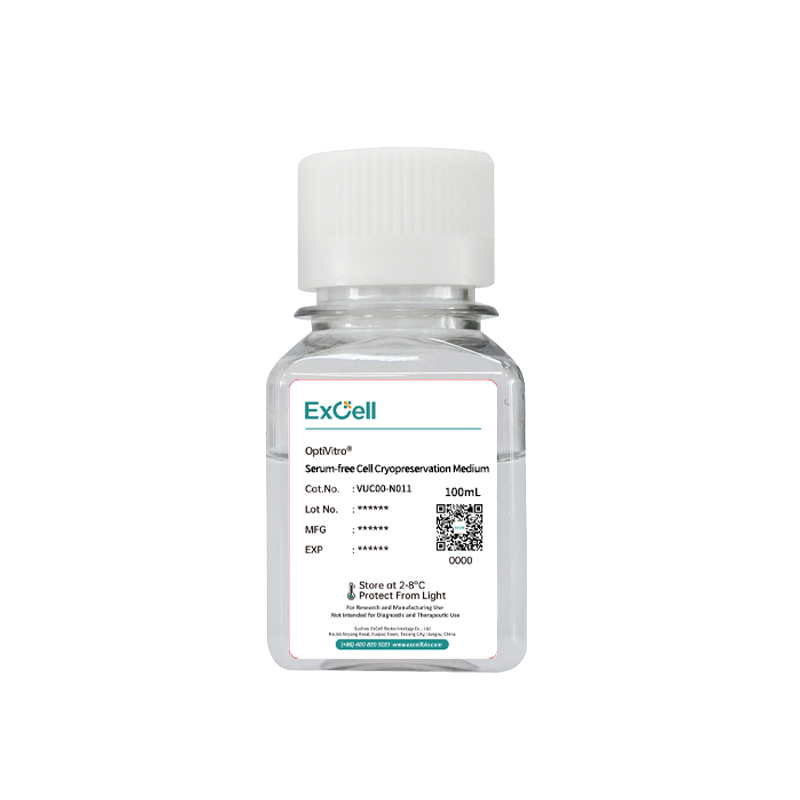
Historically, I have witnessed firsthand the challenges researchers face with conventional freezing media. Often, traditional solutions possess drawbacks that compromise cell viability. Companies may overlook the specific requirements for their cell types, leading to unexpected losses, which is genuinely frustrating. When I switched to more sophisticated formulations, the survival rates skyrocketed. It was clear to me that the right media not only preserves cells but may also enhance their functionality upon revival.
Hidden Pain Points in Standard Solutions
Delving deeper, I’ve found that the common freezing media often lacks flexibility (who doesn’t appreciate customization?). The standard formulations may not cater to all cell types effectively, leading to hidden pain points that many overlook. For instance, the presence of detrimental cryoprotectants can induce toxicity, particularly in sensitive cell lines. The impact? A likely failure in further experimentation and setbacks in crucial timelines.
Can Innovation Solve These Issues?
Fast forward to today, where innovation in formulations continues to reshape our understanding. The emerging trends in cell culture freezing media have revealed a plethora of options designed to address these complications. For example, products enriched with specific amino acids or antioxidants have arrived on the scene, demonstrating enhanced post-thaw viability.
What Lies Ahead in Cryopreservation?
As we look ahead, the landscape of cryopreservation becomes increasingly promising. New approaches are evolving, focusing on tailored solutions that meet diverse cell types’ unique needs. I can’t help but feel a sense of excitement for those venturing into this field. Technologies are being adopted that can even predict freezing outcomes based on initial cell viability metrics. Imagine being able to fine-tune your methods to assure the highest success rates!
Key insights from my experience have consistently highlighted the importance of selecting the right cell culture freezing media. Remember the resounding failures tied to inadequate solutions? With each improvement in choice, researchers ensure that vital cell lines are not just saved but thriving.
Final Reflections on Product Selection
To summarize, investing in high-quality freezing media is not merely a technical requirement but a crucial step in the scientific journey. I recommend considering three key evaluation metrics for your selection process: cell type compatibility, cryoprotectant toxicity levels, and long-term stability of the product. Each of these factors has measurable impacts and can drastically alter experimental outcomes.
In my opinion, as we advance further into an era of precision medicine, the role of reliable freezing media will only become more critical. To secure a future where your research flourishes, I wholeheartedly encourage you to explore tailored solutions that learn and adapt – it could be the difference between success and failure. Trust me; I’ve seen the outcome more than I’d like to admit! The time is ripe for revolutionary products, like those offered by ExCellBio, that will shape not only the present but the future of cell preservation.
